
People
The people who lead, govern, and advise the Software Safety Institute.
Leadership

Lauren Zabierek
Co-Founder and CEO
Bio of Lauren Zabierek
Lauren Zabierek
Lauren Zabierek is the Chief Executive Officer at the Software Safety Institute (SSI), a public-interest nonprofit dedicated to illuminating and changing the systems, incentives, and practices that shape how software is designed, built, deployed, and maintained. She is a national security and cybersecurity leader with more than two decades of experience spanning government, the military, academia, and the private sector. Lauren previously served as a senior advisor at the Cybersecurity and Infrastructure Security Agency (CISA), where she co-led the agency’s Secure by Design initiative, an effort to shift responsibility for cybersecurity upstream toward the companies that design and develop technology. Earlier in her career, she served as a U.S. Air Force intelligence officer and later as a counterterrorism analyst at the National Geospatial-Intelligence Agency with three combat deployments to Afghanistan, and held roles at Deloitte and Recorded Future. She also served as Executive Director of the Cyber Project at Harvard Kennedy School’s Belfer Center for Science and International Affairs where she also earned a master’s degree in public administration.
Bob Lord
Co-Founder and Chief Strategy Officer
Bio of Bob Lord
Bob Lord
Bob Lord is Chief Strategy Officer at the Software Safety Institute (SSI), a public-interest nonprofit working to reduce preventable harm from software. Previously, he was Senior Technical Advisor at the Cybersecurity and Infrastructure Security Agency (CISA), where he co-led the agency’s Secure by Design initiative, focused on shifting more of the responsibility for customer safety onto software manufacturers. He was the first Chief Security Officer of the Democratic National Committee (DNC), served as CISO at Yahoo, and was Twitter’s first security hire. Earlier in his career, he led security engineering at Netscape, AOL, and Red Hat.
Board of directors
Affiliations for identification only.
Lauren Zabierek and Bob Lord (see Leadership)
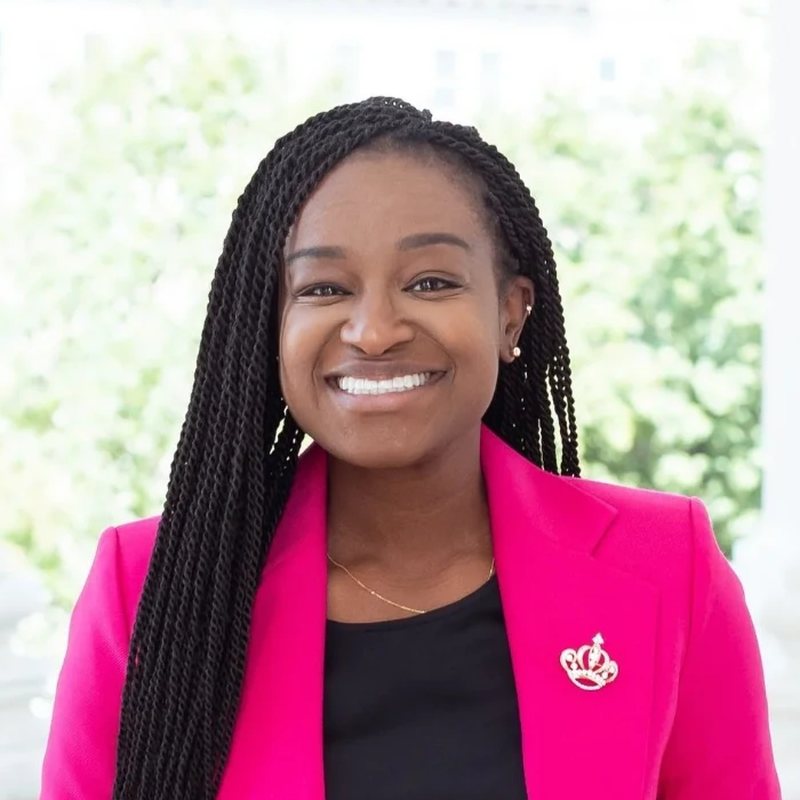
Camille Stewart Gloster
Board Member
CEO, CAS Strategies
Bio of Camille Stewart Gloster
Camille Stewart Gloster
Camille Stewart Gloster is CEO of CAS Strategies and author of “The Insider You Built: How Organizations Stay in Control of Autonomous AI Agents.” She is one of the few leaders who has built and operated across national security, enterprise execution, and the environments where emerging technologies move from ambition to reality. Across leadership roles spanning government and industry, including Google, Deloitte, DHS, and CrowdStrike, she has helped organizations govern, secure, and operationalize emerging technologies at scale. She served two U.S. presidents, including as the first Deputy National Cyber Director for Technology & Ecosystem Security at the White House. Camille sits on the Board of The Cyber Guild. She is co-founder of Foundation Layer Institute and advises leading industry convenings, including the Black Hat CISO Summit and the AI Security Forum. She holds a CISSP, a PMP, and a Chief Information Security Officer certificate from Carnegie Mellon University.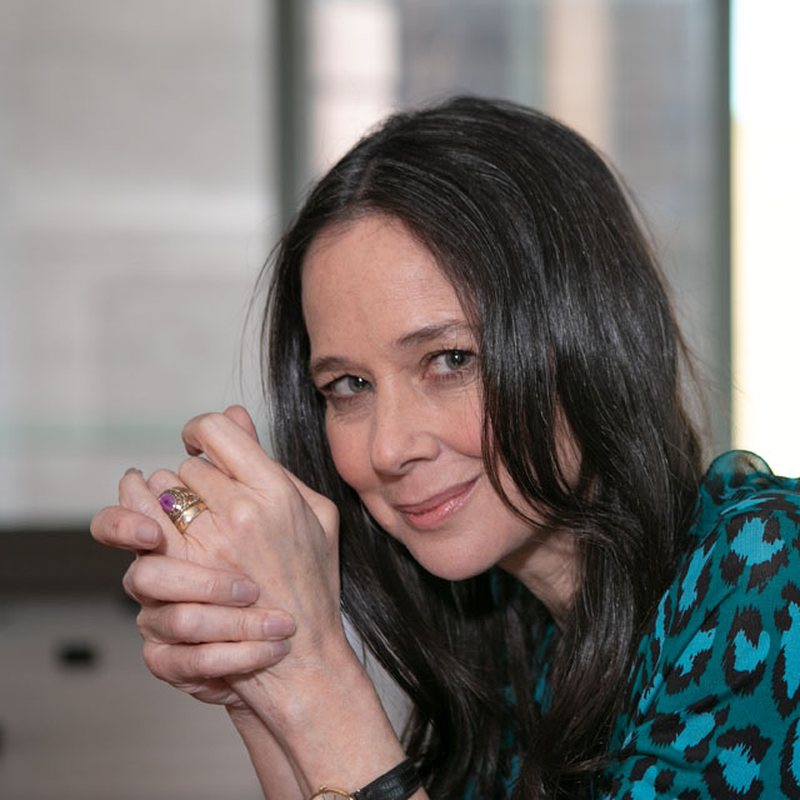
Jen Easterly
Board Member
CEO, RSAC
Bio of Jen Easterly
Jen Easterly
Jen is the CEO of RSAC, the premier global platform for the cybersecurity community. She served as Director of the Cybersecurity & Infrastructure Security Agency (CISA) from 2021 to 2025.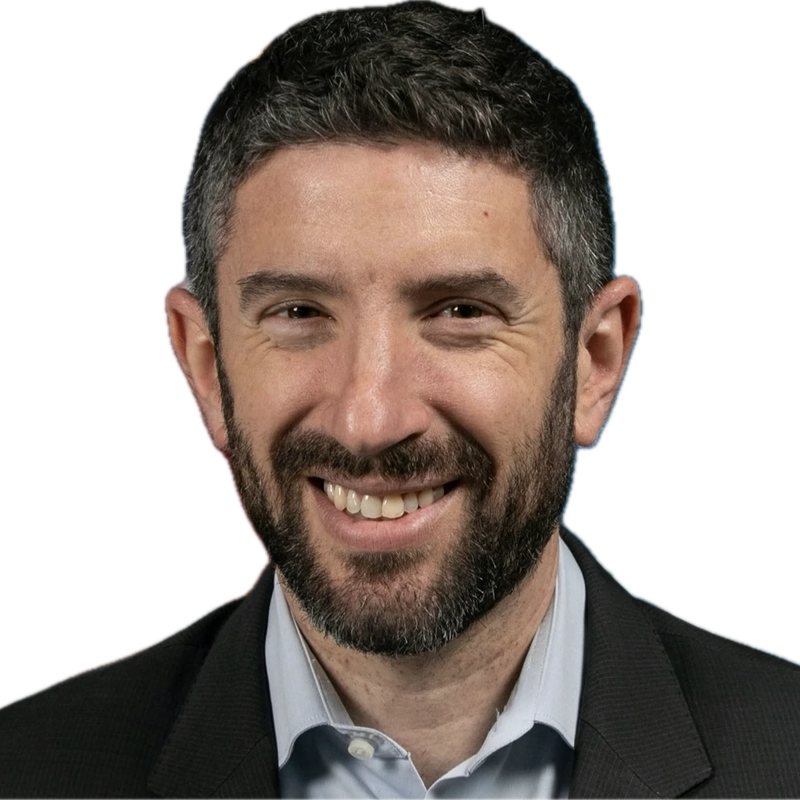
Eric Goldstein
Board Member
Managing Vice President for Cyber and Business Technology Risk, Capital One
Bio of Eric Goldstein
Eric Goldstein
Eric is Managing Vice President for Cyber and Business Technology Risk at Capital One, where he leads technology risk oversight for cybersecurity and for revenue lines of business, along with overseeing enterprise technology risk management functions. Previously, Eric served as Executive Assistant Director for Cybersecurity at the Cybersecurity and Infrastructure Security Agency (CISA), where he led the agency’s work to safeguard federal civilian agencies and critical infrastructure against cyber risks. In this role, Eric developed CISA’s first Cybersecurity Strategy, led the agency’s response to major incidents such as log4j and Volt Typhoon, and drove strategic initiatives such as the Known Exploited Vulnerabilities (KEV) catalog and the Secure by Design program. He served on the Cyber Safety Review Board and had the opportunity to testify before Congress on multiple occasions. Prior to CISA, Eric led first-line cyber risk at Goldman Sachs, developed government-wide federal cybersecurity programs at DHS, practiced cyber and privacy law at an international law firm, and conducted cybersecurity research at a federally-funded research and development center. He is a graduate of the University of Illinois at Urbana-Champaign, the Georgetown University McCourt School of Public Policy, and Georgetown University Law Center.
Laura Manley
Board Member
Executive Director, Shorenstein Center on Media, Politics and Public Policy, Harvard Kennedy School
Bio of Laura Manley
Laura Manley
Laura Manley is Executive Director of the Shorenstein Center on Media, Politics and Public Policy at Harvard Kennedy School, where she leads research on how AI and emerging media shape what people know and believe. She was previously the founding Director of the Technology and Public Purpose Project at Harvard’s Belfer Center, built under former Secretary of Defense Ash Carter to address the risks of emerging technologies. There she convened leaders from Google, Microsoft, IBM, government, and civil liberties groups, and twice testified before Congress. She co-founded the Center for Open Data Enterprise and has advised the World Bank and the UN. She teaches executive education on data and AI at Harvard.
Advisory Council
SSI’s Advisory Council brings expertise from fields that made products measurably safer, including automotive and aviation safety.
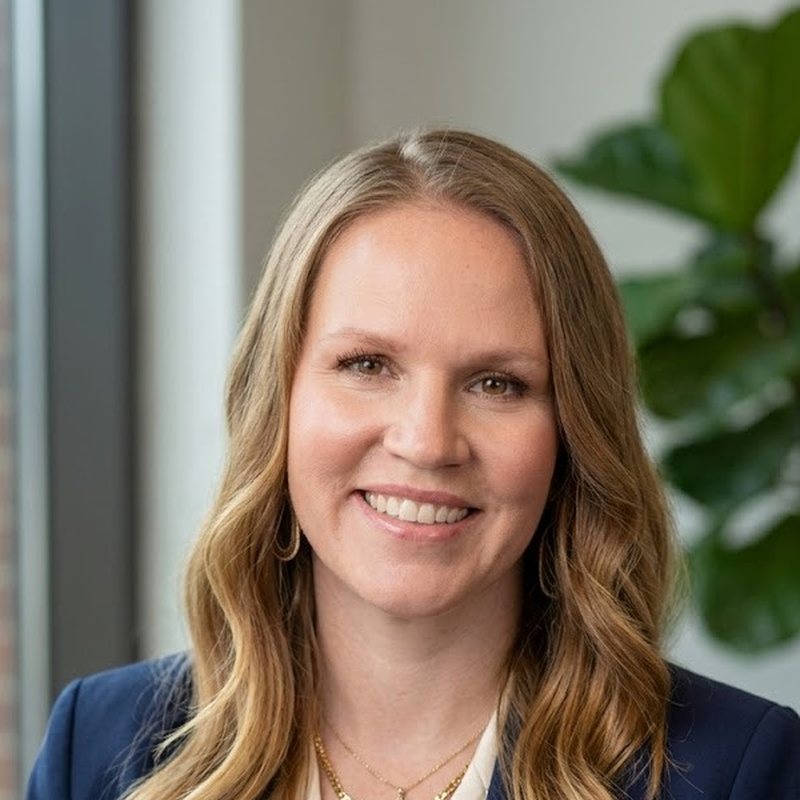
Tatyana Bolton
Legislative, Policy, and OT Cybersecurity
Bio of Tatyana Bolton
Tatyana Bolton
Tatyana Bolton is a Principal at Monument Advocacy where she leads the firm’s cybersecurity practice bringing extensive experience from both the private and public sectors. She is also the Executive Director of the OT Cybersecurity Coalition and runs the Strategic Cybersecurity Coalition. She previously served in senior roles at Google, CISA, and the Cyberspace Solarium Commission.
Dr. Joseph A. DeFeo
Quality by Design
Bio of Dr. Joseph A. DeFeo
Dr. Joseph A. DeFeo
Dr. DeFeo has been at the forefront of building cultures of excellence through the management of quality and business excellence. Joe has dedicated his life’s work to the pursuit of helping organizations across the globe improve the quality of their products, processes, people and profit. As one of the world’s leading experts on the development of effective and efficient quality and operational excellence programs, he has worked as a trusted advisor to a multitude of businesses and business leaders – helping them to increase sales, reduce costs and improve their overall customer experience.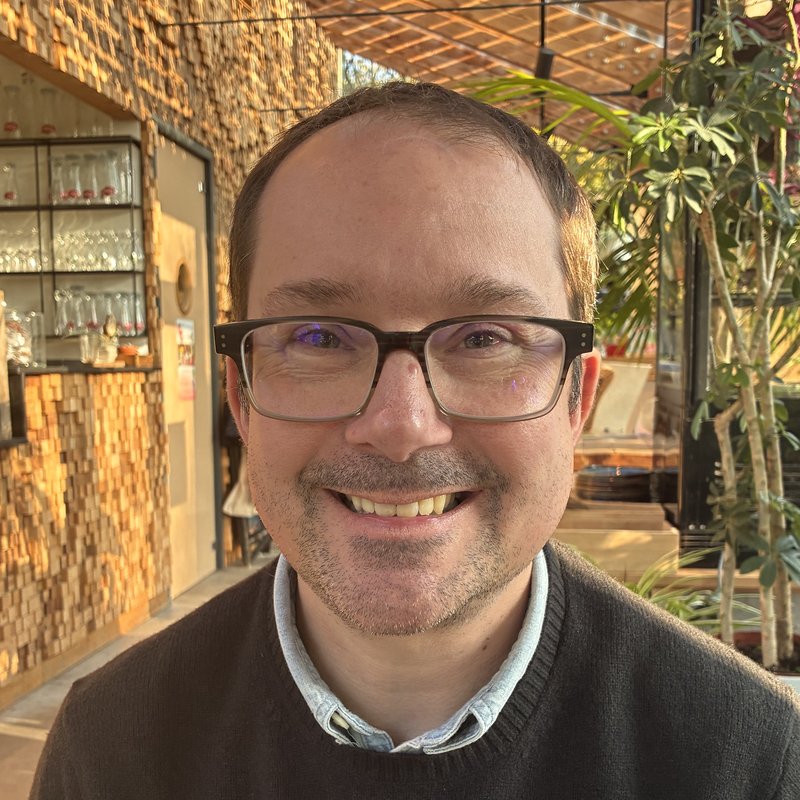
Chris Palmer
Software Security Engineering
Bio of Chris Palmer
Chris Palmer
Chris Palmer has been a software security engineer for 26 years, focusing on client-side application platforms (Chrome, Android, Pixel, macOS/iOS, Fuchsia) but also working on applications of cryptography, PKI governance, private networking, and web application security.
Adam Shostack
Threat Modeling
Bio of Adam Shostack
Adam Shostack
Adam Shostack, founder Shostack + Associates. Adam has been working in software security for over 25 years, and is author of Threat Modeling: Designing for Security in an AI World and Threats: What Every Engineer Should Learn from Star Wars.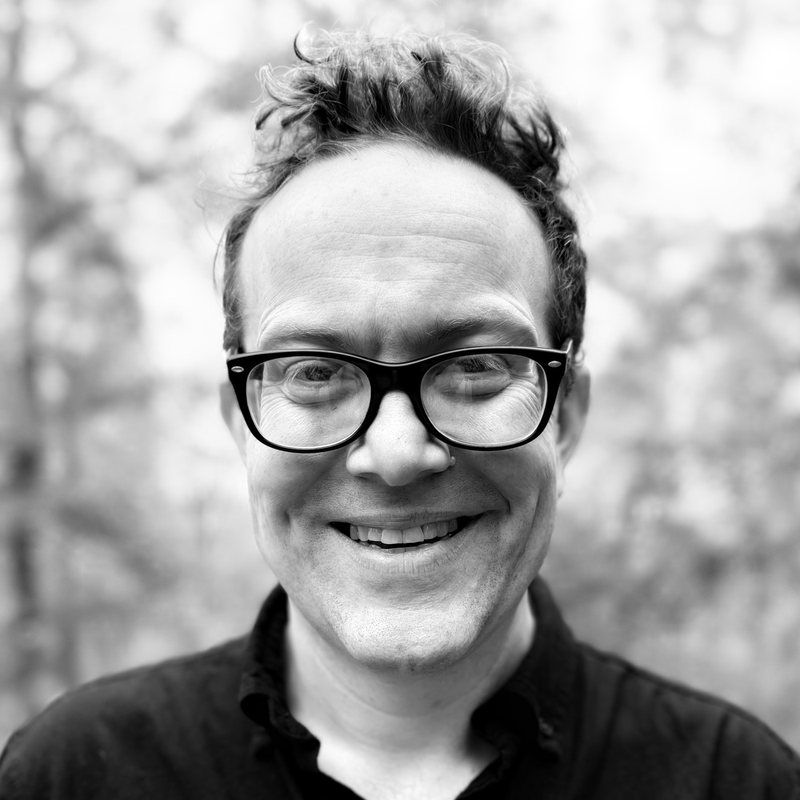
Lee Vinsel
Technology Safety
Bio of Lee Vinsel
Lee Vinsel
Lee Vinsel is Associate Professor of Science, Technology, and Society at Virginia Tech and host or co-host of the podcasts Peoples & Things, I Heart 90s History, and How to Think About Technology. He is the author of Moving Violations: Automobiles, Experts, and Regulations in the United States and, with Andrew Russell, The Innovation Delusion: How Our Obsession with the New Has Disrupted the Work That Matters Most. His work has appeared or been covered in the New York Times, Wall Street Journal, Le Monde, The Atlantic, and many other outlets around the world.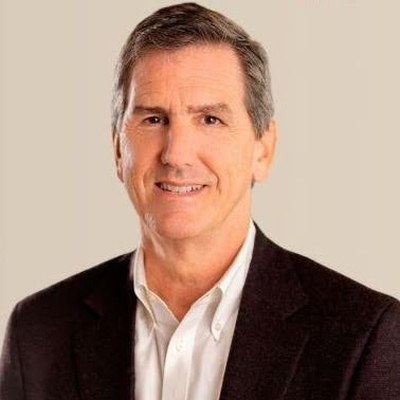
Michael Whitaker
Aviation Systems Safety
Bio of Michael Whitaker
Michael Whitaker
For over 30 years, Michael Whitaker has been a central figure in the development and stewardship of safe, measured, aerospace tech advancement in the commercial, civil, and unmanned aviation sectors. He currently serves on the board of IndiGo Airlines (NSE: INDIGO), the largest airline in Asia.
In October 2023, Whitaker was unanimously confirmed as the 19th Administrator of the US Federal Aviation Administration and tasked with the mission of ensuring the safe and efficient operation of the largest aerospace system in the world. A trail blazer and change agent, he led the redesign of the FAA’s safety oversight systems to bolster continuous oversight and improvement. Prior to taking the helm at FAA, he was Chief Operating Officer, at Supernal, a Hyundai Motor Group advanced air mobility venture.
Whitaker’s career began at Trans World Airlines as Senior Counsel of International Affairs. He then moved to United Airlines, rising to SVP of Alliances, International & Regulatory Affairs, where he negotiated the transition of Continental Airlines to Star Alliance, the first and largest global airline alliance. Whitaker then became Group CEO of India’s largest travel conglomerate, InterGlobe, as the company launched a new consumer-affordable carrier, IndiGo.
Whitaker left InterGlobe to accept a Presidential appointment to FAA Deputy Administrator from 2013-2016. As the FAA’s second-in-command, he was charged to architect the completion and implementation of NextGen, a 20-year, $20B modernization of the U.S. air traffic control system. During his term, he also laid the regulatory framework to enable the safe integration of new entrants in the U.S. airspace, including drones and powered-lift aircraft (eVTOL), the first new aircraft category in nearly 80 years.
For his exceptional expertise, leadership, and enhancement of the aeronautics profession through public service, Whitaker became a Fellow in the Royal Aeronautical Society. He has served as a board member for the Flight Safety Foundation, air traffic management start-up ANRA Technologies, and drone delivery service company, Matternet. He is an aviation sector thought leader with a portfolio of many speaking engagements and public broadcast interviews.
Whitaker earned a JD from Georgetown University Law Center in Washington, D.C., and a BA in Political Science from the University of Louisville in Kentucky.
Josephine Wolff
Cybersecurity Insurance Policy
Bio of Josephine Wolff
Josephine Wolff
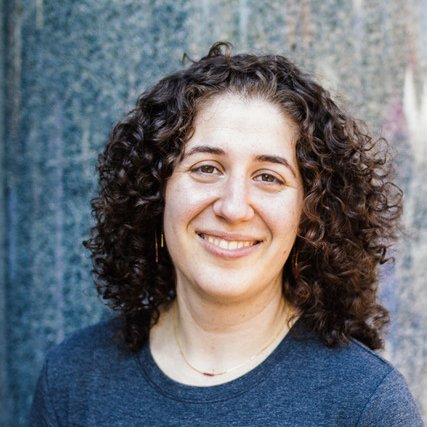
Josephine Wolff is a professor of cybersecurity policy at The Fletcher School at Tufts University, where her work focuses on cyber insurance. Her research looks at how insurers assess and price cyber risk, how coverage decisions shape the way organizations prepare for and respond to ransomware, breaches, and other attacks, and what that means for liability and accountability. She is the author of Cyberinsurance Policy: Rethinking Risk in an Age of Ransomware, Computer Fraud, Data Breaches, and Cyberattacks (MIT Press, 2022) and You’ll See This Message When It Is Too Late: The Legal and Economic Aftermath of Cybersecurity Breaches (MIT Press, 2018). She holds a Ph.D. in Engineering Systems from MIT.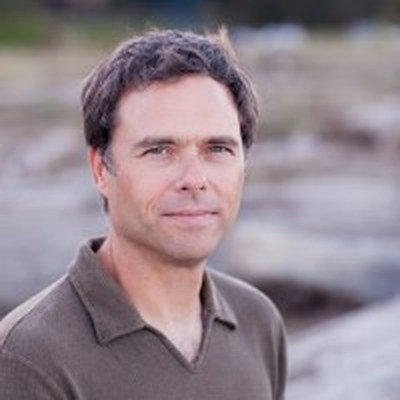
Christoph Kern
Secure by Design Engineering
Bio of Christoph Kern
Christoph Kern
Christoph Kern is a Principal Software Engineer in Google’s Information Security Engineering organization, where he leads research and engineering work on scalable, principled approaches to software safety and security. Over more than two decades at Google, he has played a central role in moving the company from a reactive, find-and-fix model to secure-by-construction design, which eliminates entire classes of defects at scale. His engineering work and publications focus on type-safe abstractions, static verification, and developer ecosystems that systematically prevent classes of vulnerabilities in large industrial codebases. More recently, his work has expanded to building structural safety frameworks for AI agent architectures and the agentic software development lifecycle.