

Our work
Our role is to generate independent evidence, define safety-relevant signals, and translate technical realities into information that policymakers, institutions, and the public can act on. We do this in three ways.
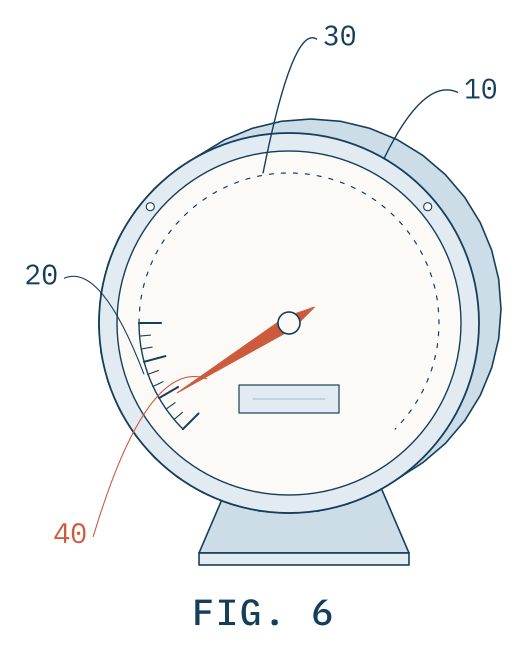
Measure the state of software safety by generating independent evidence, developing meaningful safety signals, and making risk more visible to policymakers, buyers, and the public.
Through research reports, datasets, and safety signals.
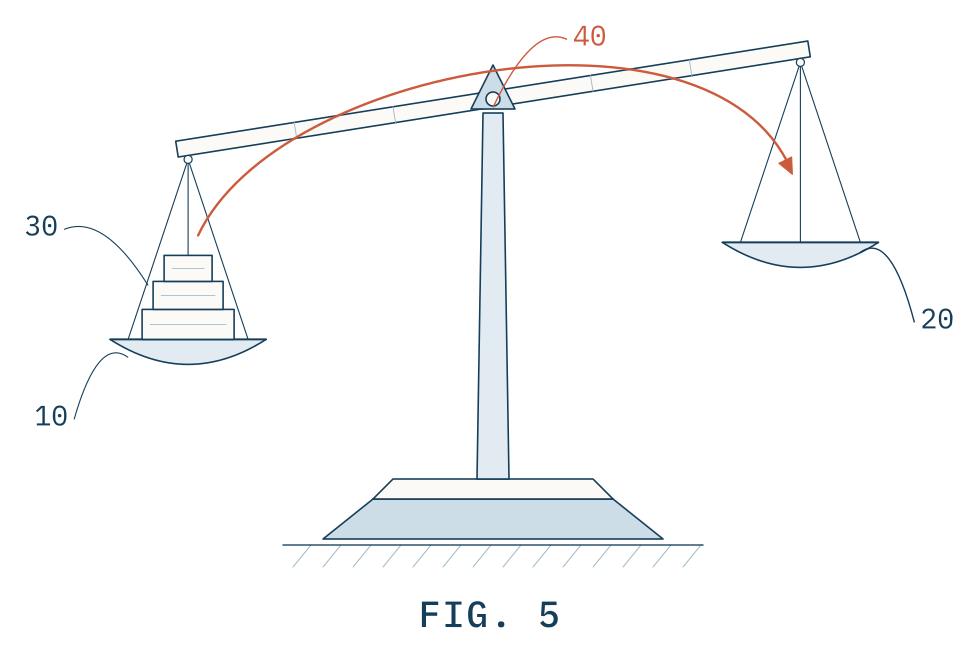
Shift market forces and policy incentives to move responsibility upstream through procurement, liability, transparency, and other mechanisms that make unsafe and insecure software harder to ship, sell, and justify.
Through RFI responses, public comments, testimony and congressional memos, and convenings of buyers, insurers, and policymakers.
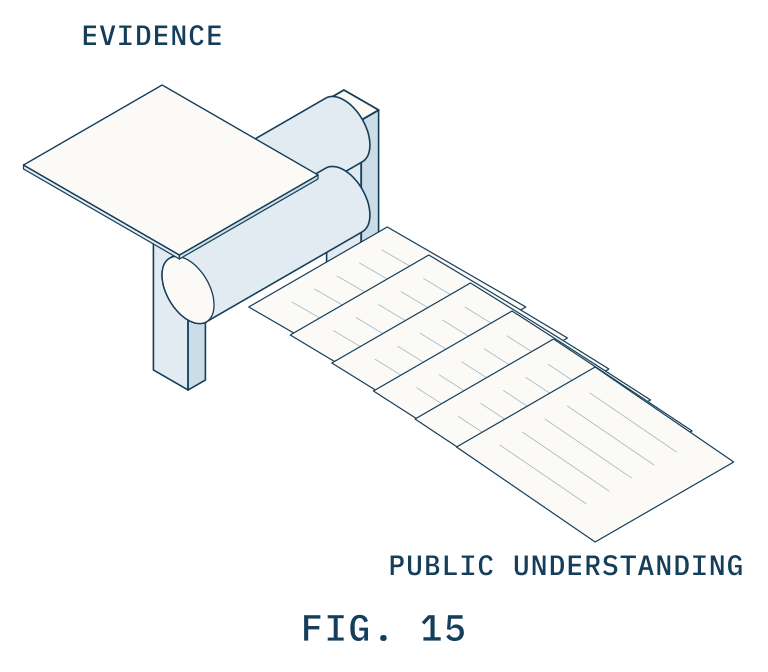
Shape public norms and expectations so software safety is understood as a matter of public interest, preventable failures are not treated as inevitable, and journalists, institutions, and the public have credible evidence to inform debate and action.
Through essays and op-eds, our audio documentary on memory safety, and talks.