
About the drawings
Patent drawings
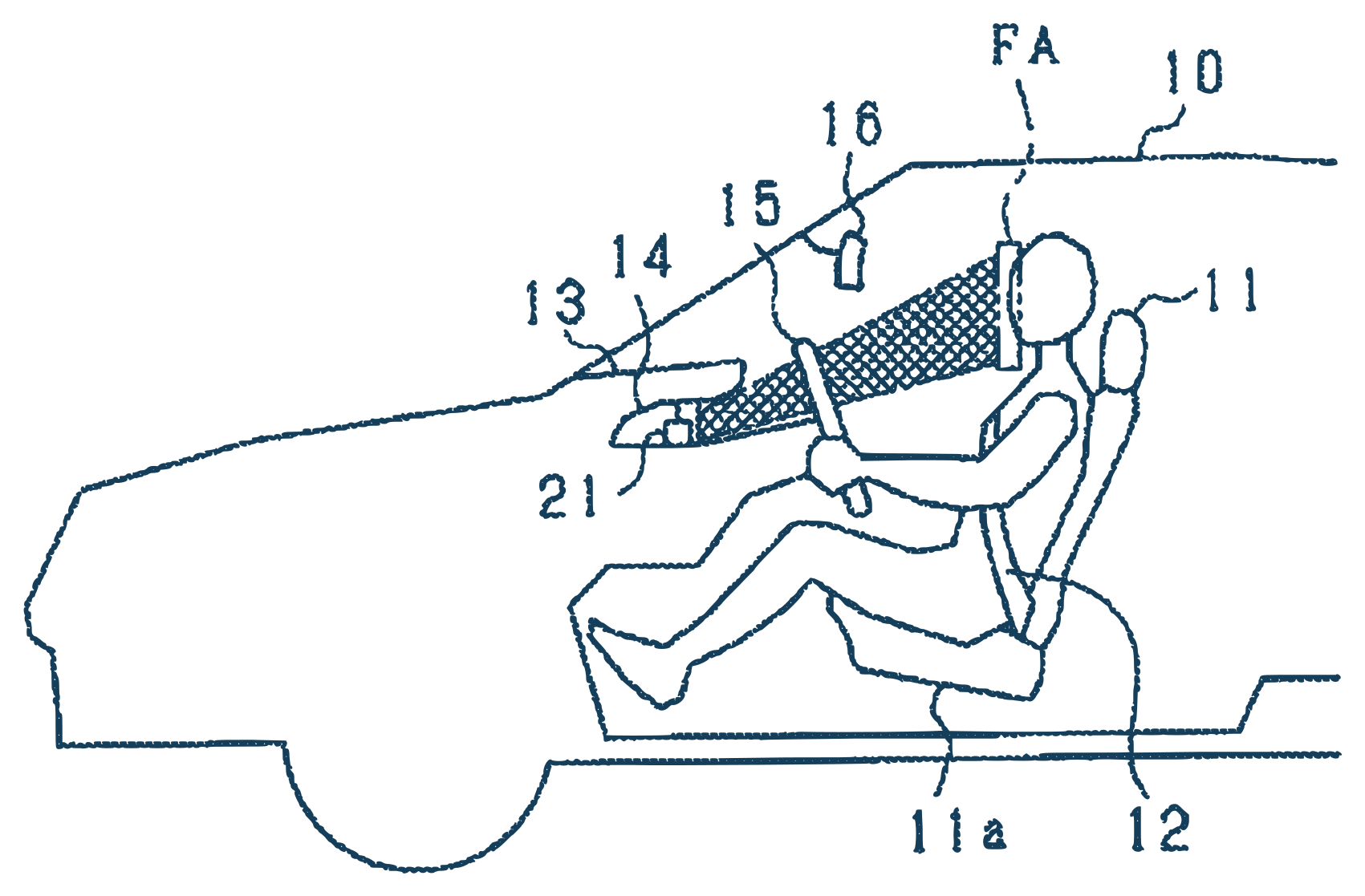
Driver monitoring system, 2023. A camera watches the driver's head and posture to detect when they can no longer drive safely.
Banno et al. (Denso), "Apparatus Detecting Driving Incapability State of Driver," U.S. Patent 11,820,383 B2, November 21, 2023.
Appears on: About
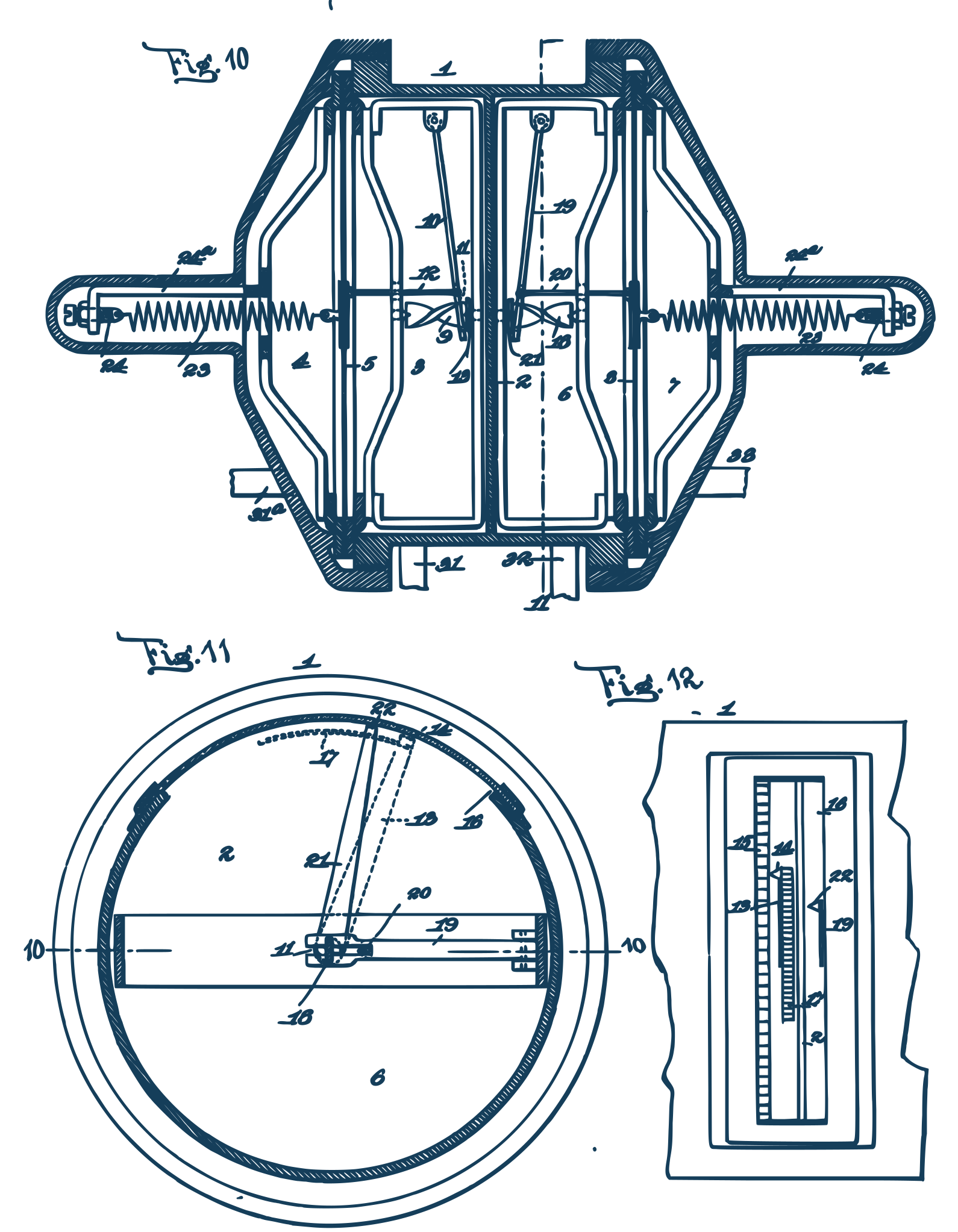
Aircraft attitude indicator, 1924. An instrument that shows pilots the aircraft's orientation relative to the horizon, so they can keep control when clouds or darkness hide it.
J. N. Reynolds, "Method of and Apparatus for Indicating the Attitude of Aircraft," U.S. Patent 1,504,785, August 12, 1924.
Appears on: Our work
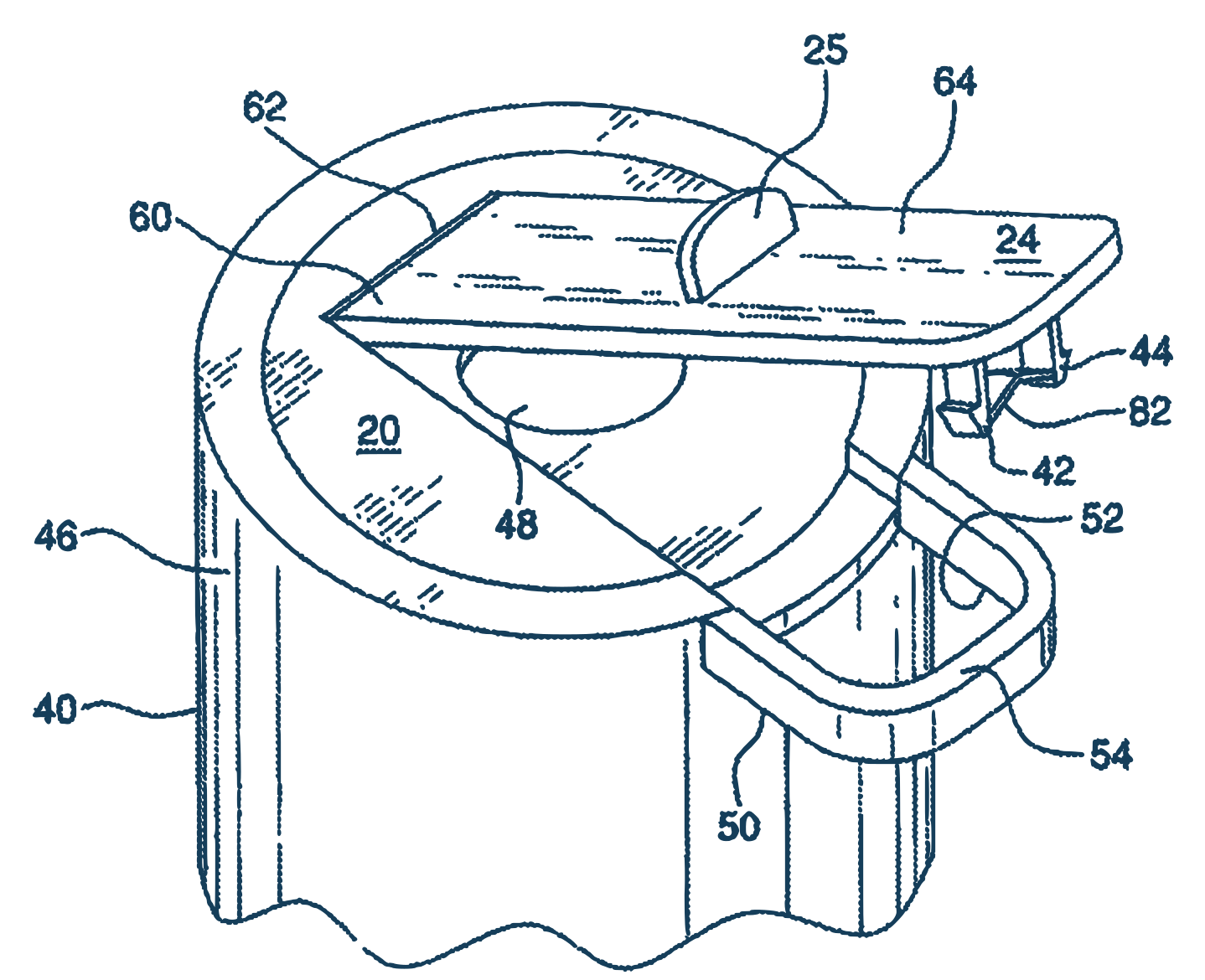
Child-resistant closure, 2025. A container lid that opens only when a release tab is pressed, designed to keep children out of medicine. Child-resistant packaging has been required in the U.S. for many medicines since the Poison Prevention Packaging Act of 1970.
J.-P. Giraud et al., "Tab Release Child Safety Feature," U.S. Patent Application Publication 2025/0033838 A1, January 30, 2025.
Appears on: Software safety
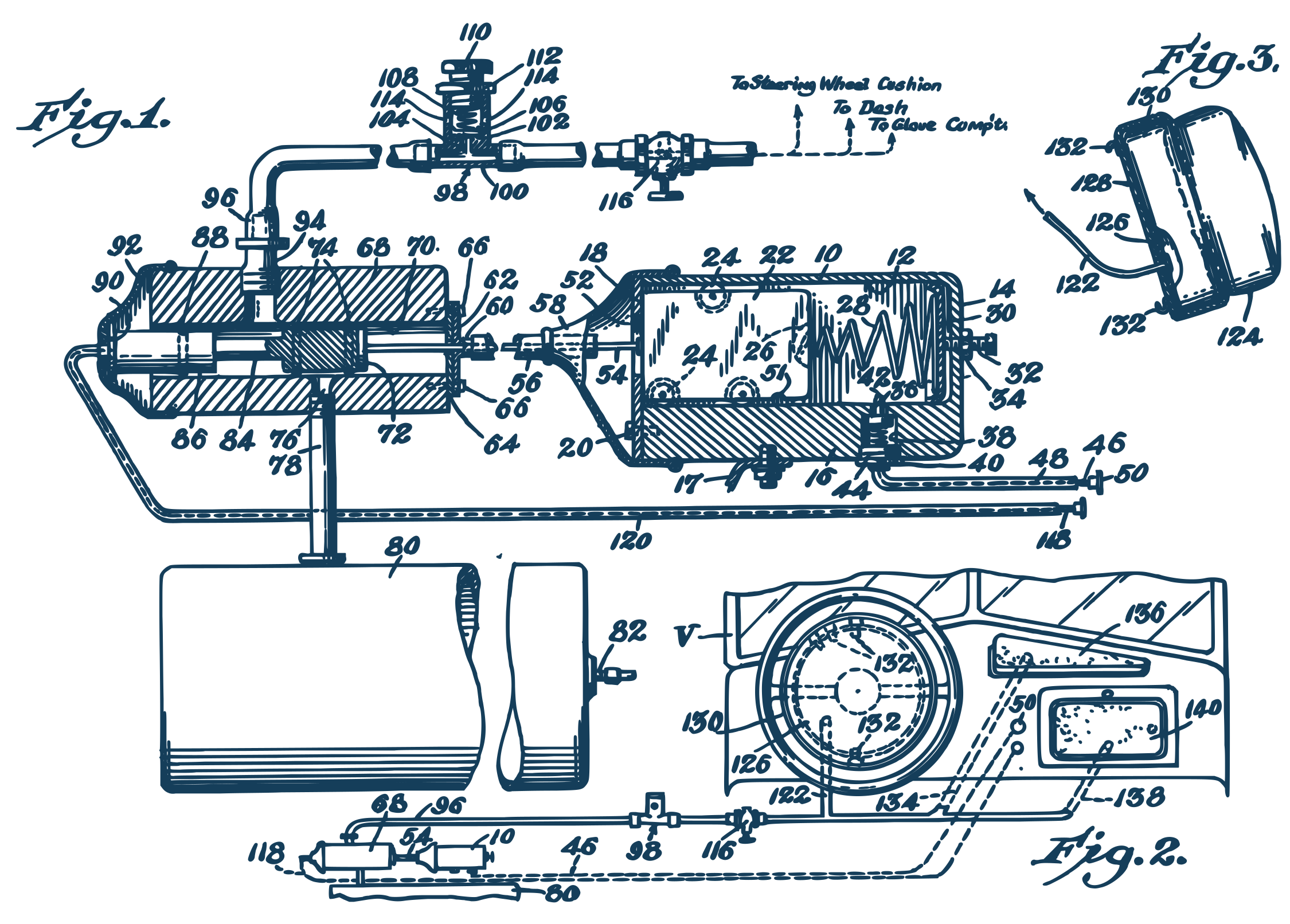
Early air bag, 1953. John Hetrick's design stored compressed air in a tank and released it into cushions in the steering wheel, dashboard, and glove compartment, to catch occupants in a crash.
Patented 1953. Required in new U.S. cars, 1998.
J. W. Hetrick, "Safety Cushion Assembly for Automotive Vehicles," U.S. Patent 2,649,311, August 18, 1953.
Appears on: Research
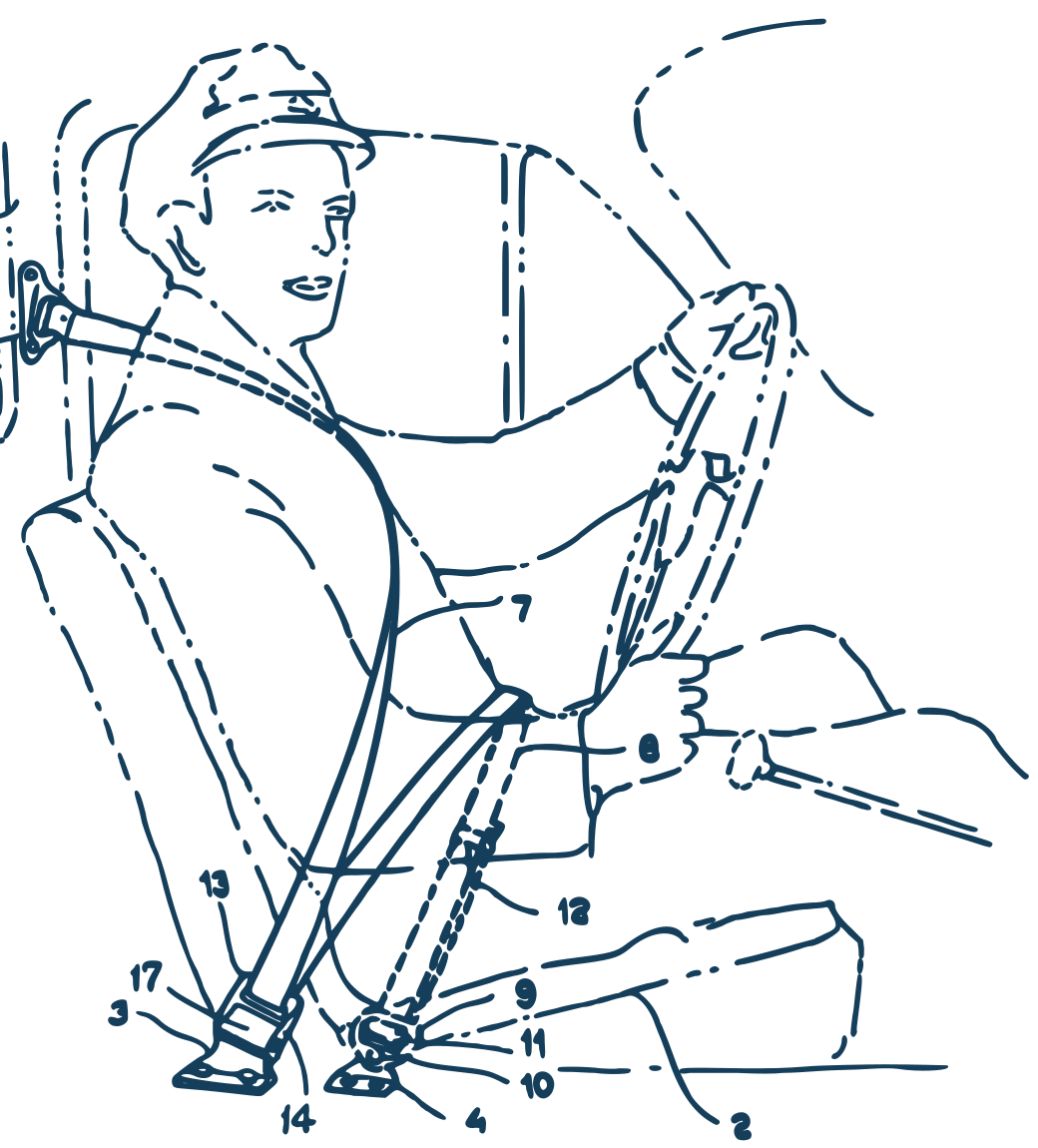
Three-point seat belt, 1962. Volvo engineer Nils Bohlin combined the lap belt and shoulder belt into one strap anchored at three points, so a single motion protects both the hips and the chest. Volvo made the design available to other manufacturers for free.
Patented 1962. Required in new U.S. cars, 1968.
N. I. Bohlin, "Safety Belt," U.S. Patent 3,043,625, July 10, 1962.
Appears on: Support SSI
SSI figures
These are SSI's own drawings.
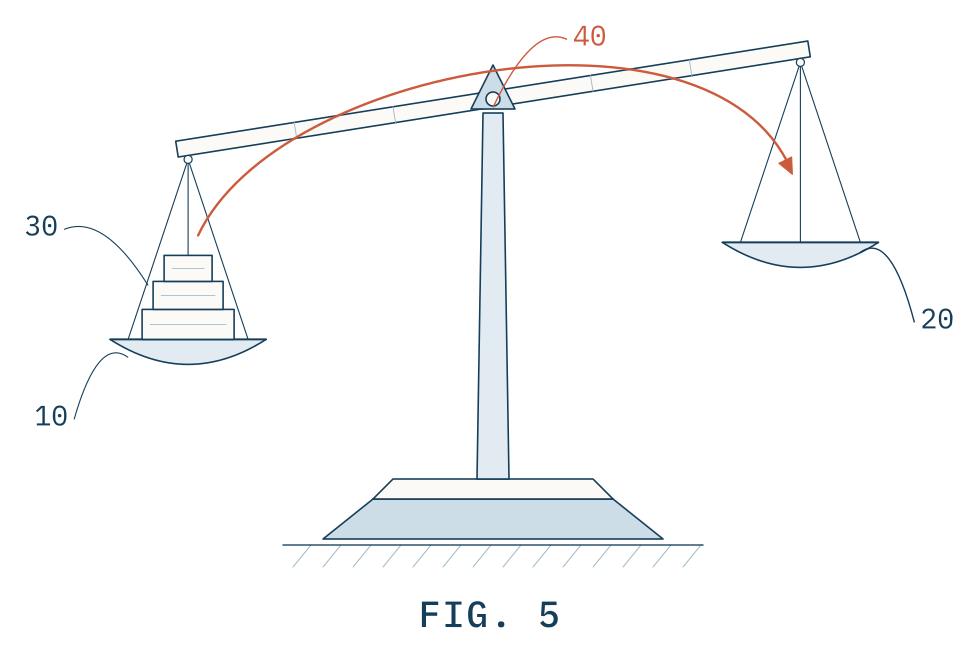
FIG. 5
Appears on: Our work
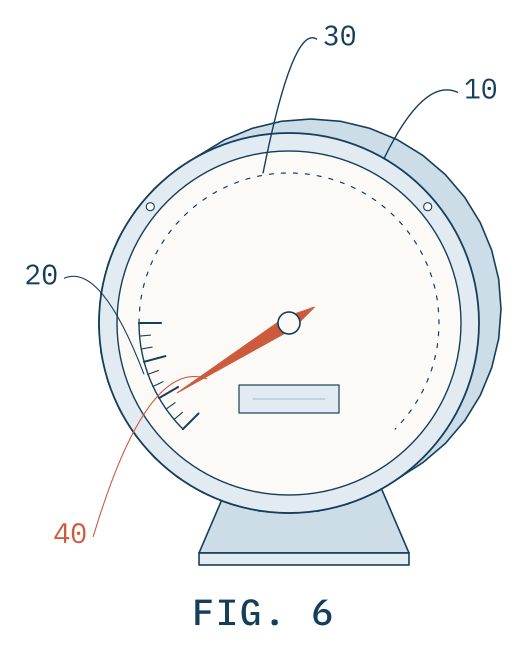
FIG. 6
Appears on: Our work
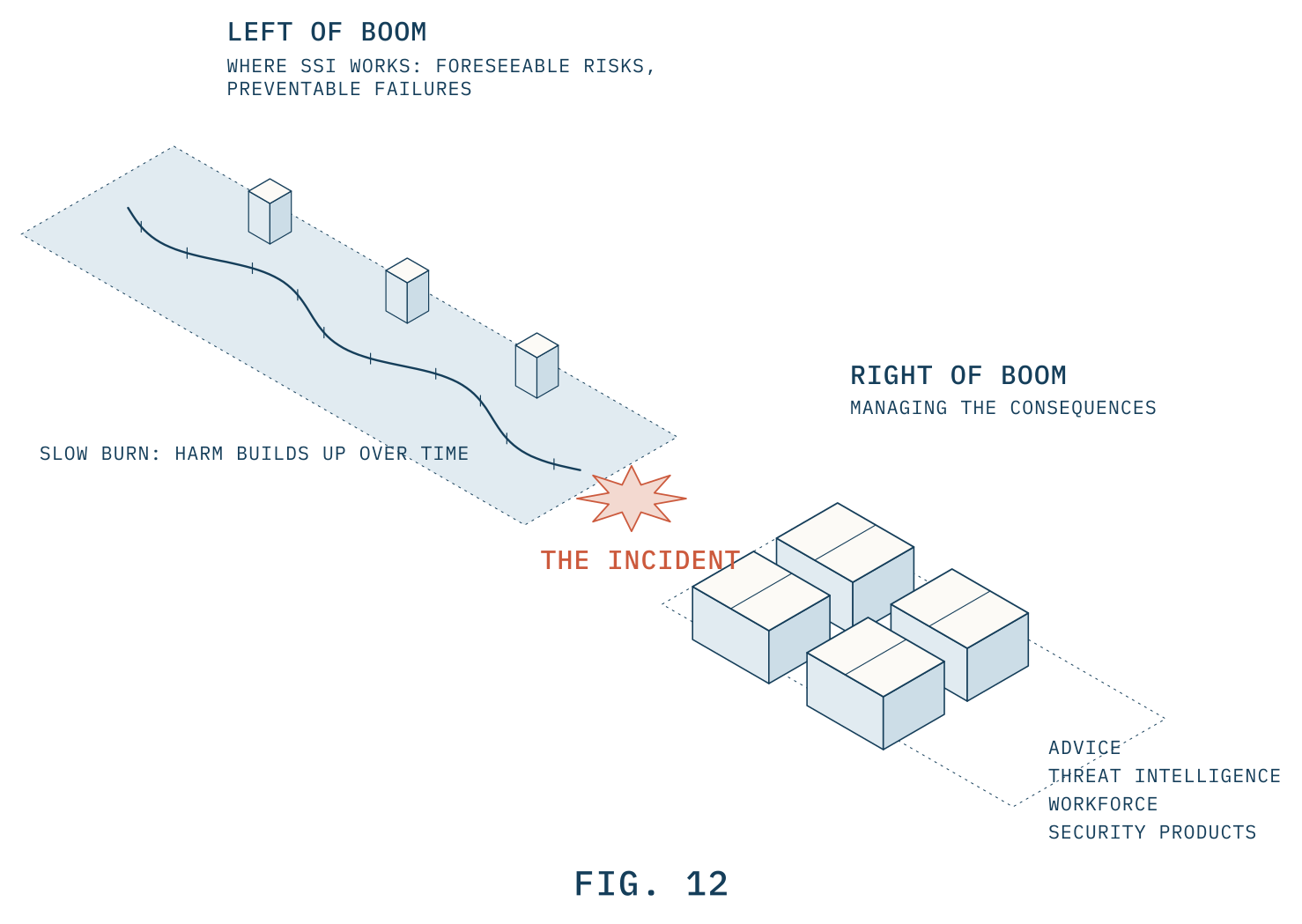
FIG. 12
Appears on: About
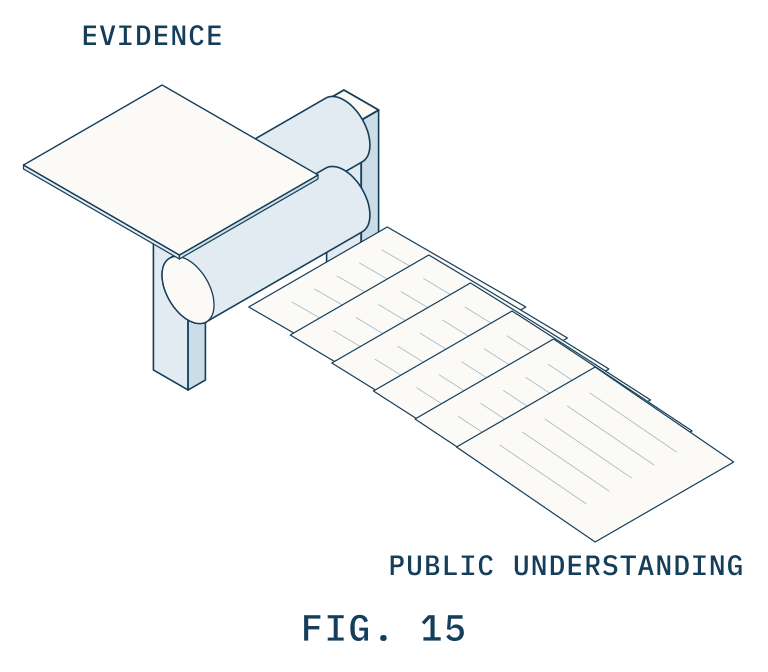
FIG. 15
Appears on: Our work
FIG. 404
Appears on: the page-not-found page